How to Choose the Perfect Backup Generator for Your Home Apr 01, 2026
The first step in selecting a backup generator is to assess your power needs. Consider the essential appliances you can't live without during a blackout, such as refrigerators, lights, heating systems, and medical equipment. Compile a list and calculate the wattage required to keep these appliances running. Backup generators come with different power outputs, so matching your needs with the generator's capacity is crucial. By identifying your priorities, you can narrow down the options and focus on models that offer the necessary wattage.
Next, consider the type of generator that best suits your lifestyle. Backup generators generally fall into two categories: portable generators and standby generators. Portable generators are versatile and can be used for multiple purposes, such as outdoor events or travel. However, they require manual setup and fuel refills. Standby generators, on the other hand, are permanently installed outside your home and automatically kick in when the power goes out. They run on existing natural gas or propane lines, making them more reliable for long-term outages. Depending on your budget and inconvenience tolerance, your choice will vary.
Fuel type is another critical consideration. Most generators run on gasoline, diesel, propane, or natural gas. Gasoline is easily accessible but may be challenging to obtain during emergencies. Diesel generators offer better fuel efficiency and longevity, though they can be more expensive. Propane and natural gas provide a cleaner burning option and are ideal for generators that are part of a permanent setup.
The noise level of a generator might seem like a minor detail, but it can significantly affect your comfort in using the device. Generators range from whisper-quiet models to those that sound like a lawnmower on steroids. If your neighborhood has noise regulations, or if you're concerned about disturbing the peace, pay close attention to the decibel ratings when choosing a unit.
Reliability and ease of use are also paramount. When evaluating options, look for brands with a solid reputation and read reviews to learn from other customers' experiences. Assess the ease of starting the generator, especially under adverse weather conditions. Automatic transfer switches can simplify the process, eliminating the need for manual operation during a power outage.
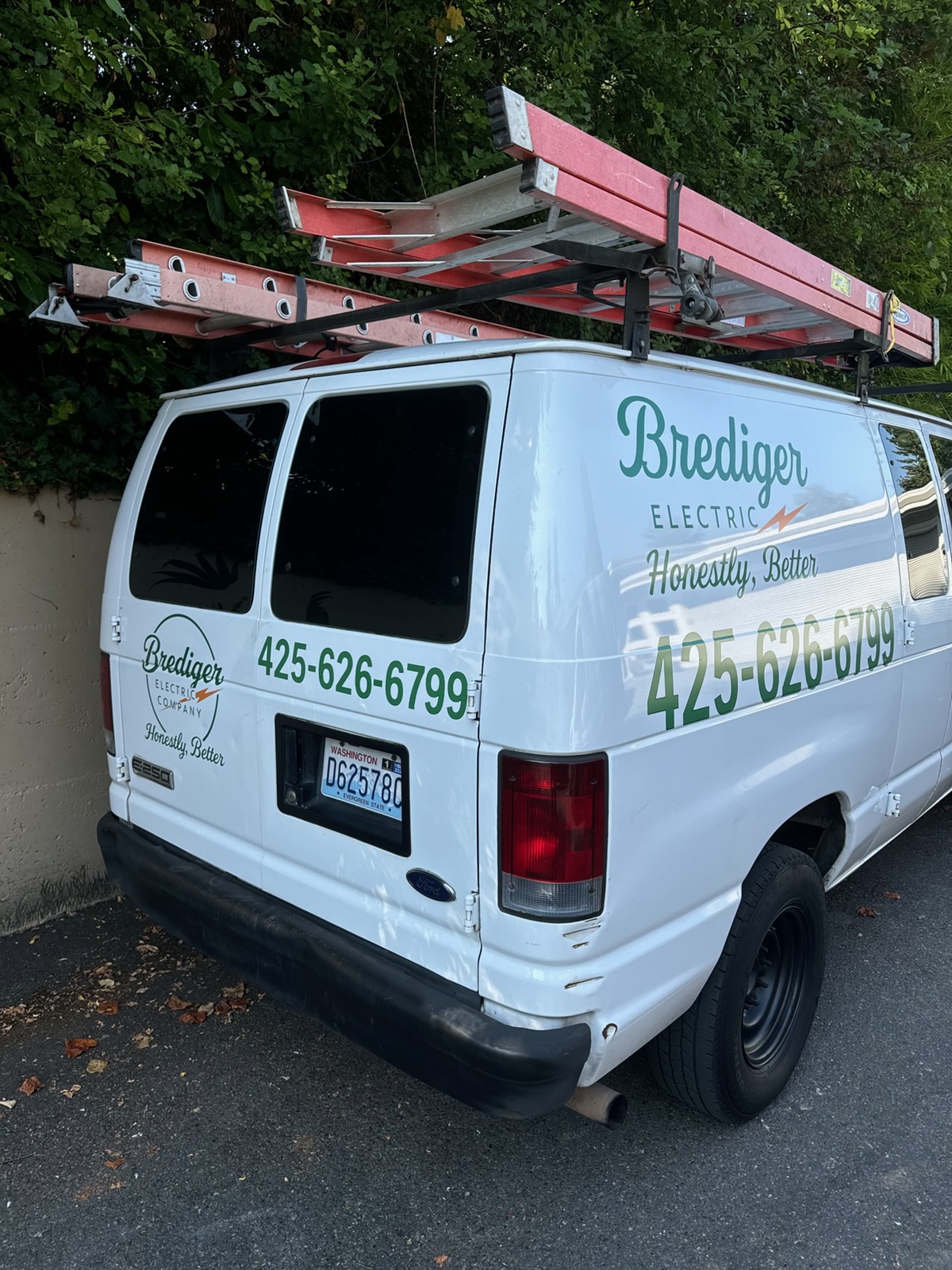
Finally, consider the level of maintenance each model requires. Regular maintenance is essential for ensuring your generator's longevity and performance. Some models come with features that make maintenance easier, such as self-diagnostic systems or remote monitoring options. Ensure that you’re comfortable with the maintenance tasks required or check if Brediger Electric can provide a service plan to handle this for you.
In conclusion, selecting the perfect backup generator for your home involves considering power needs, generator type, fuel source, noise level, reliability, and maintenance. By evaluating each of these aspects, you can choose a solution tailored to your specific requirements, ensuring that your home remains a haven even during the most unexpected power outages. Let Brediger Electric assist you in finding the right generator and providing the support you need to keep it running smoothly.
/filters:no_upscale()/filters:format(webp)/media/44d04b9a-1e5d-486b-a3ae-d335c743c2e2.jpeg)